
A Plan B You Might Actually Want to Use
In this article:
What good is a Plan B if, when the day comes to use it, you don’t actually want to go?
Building a second residency takes time, money, paperwork and commitment. You don’t spend months collecting documents, dealing with lawyers and making trips across continents because you have developed an unhealthy enthusiasm for immigration administration. You do it because you want another credible option.
But credibility on paper only gets you so far. You can qualify for a residency programme, complete the process and still end up with residency in a country you would never voluntarily spend much time in. Perhaps it is poorly connected to the places you actually need to be. Perhaps maintaining the status becomes a recurring nuisance. Perhaps the tax treatment looks wonderful in a comparison table while the idea of actually living there makes everyone in your family suddenly very interested in staying exactly where they are.
Then circumstances change and the theoretical option becomes a real decision. Would you actually board the plane? That is a much harder test than asking whether you meet the qualifying criteria. It is also one reason Panama continues to interest us. We recently returned to Panama with another group, and Tony shared a short video from the trip that looked considerably less like an emergency escape route and considerably more like somewhere you might willingly spend a holiday.
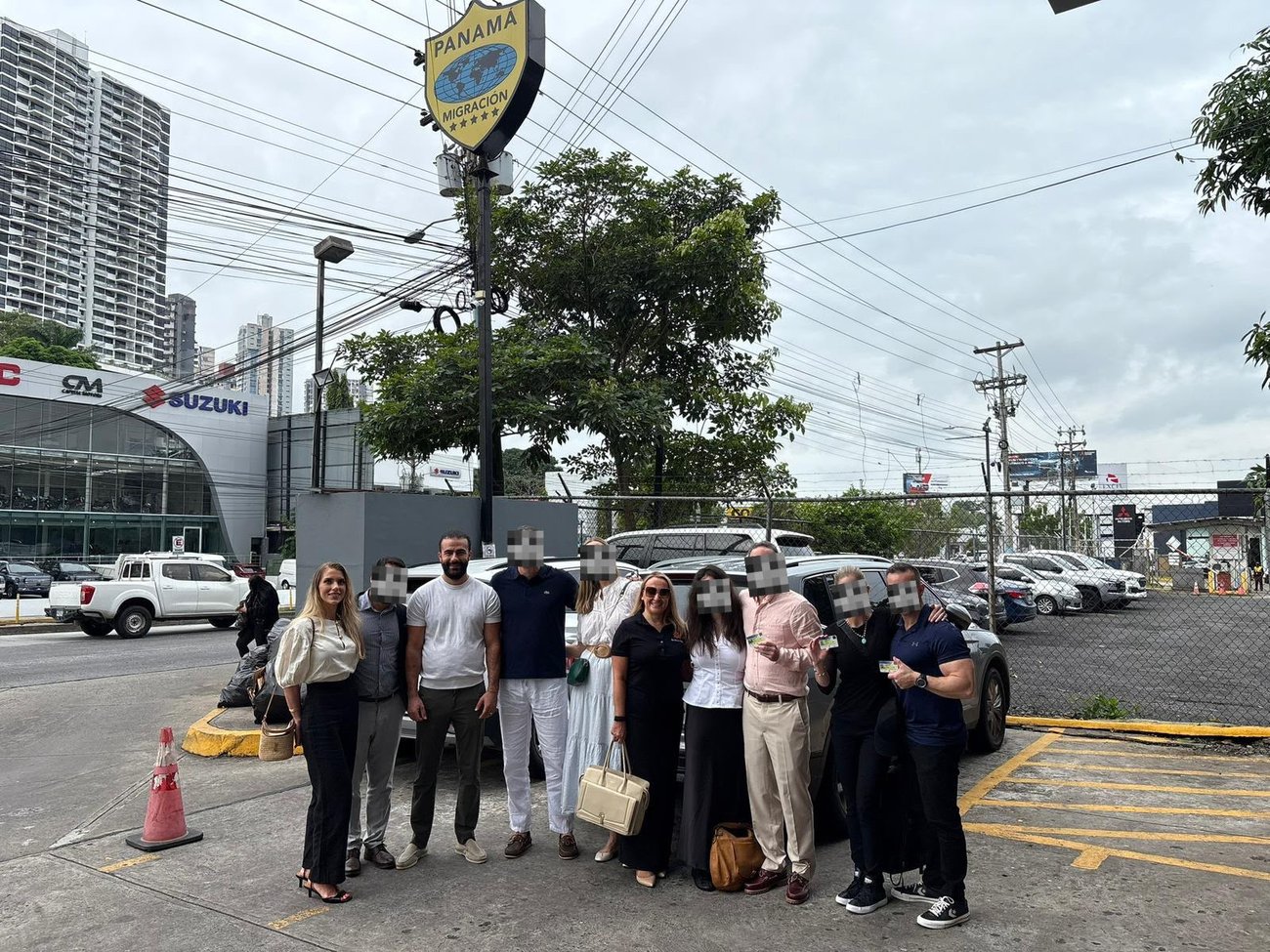
We’ve been through this before, including on our earlier trip covered in An Adventure in Panama. Since then, we’ve kept returning, taken more people through the process and built a much deeper understanding of what living there actually looks like. One of our team members, Amra, now lives in Panama.
A lawyer can tell you whether you qualify. A government website can tell you which documents to bring. Neither can tell you whether the arrangement will still make sense once it collides with your actual life. That is where the difference lies between having another legal option and ending up with an expensive stack of documents in a drawer.
A Residency Card Isn’t Much of a Plan
The first question is whether you can qualify. But legal eligibility only tells you so much. A second residency also has to be maintainable and accessible, and it should give you a genuinely different set of legal, economic and practical options from the jurisdiction you already have. If preserving it turns your calendar into a compliance exercise or every visit becomes a logistical punishment, you haven’t built much flexibility. Congratulations: you have successfully created another administrative responsibility.
The same goes for the legal structure itself. Residency, tax residency and citizenship are three different things. Panama can give you legal residency without automatically making it your tax home or turning you into a citizen. We’re very deliberate about keeping those categories separate because they’re often blurred together, and once that happens people start making assumptions about tax treatment or legal status that don’t follow from the residency itself.
That separation gives you room to hold legal residency in Panama while remaining a tax resident somewhere else, depending on your circumstances and the rules of the country you are leaving. Changing one status doesn’t automatically change the others, which is why the legal and tax pieces need to be understood separately before anyone starts rearranging their life around them.
The process itself also unfolds over time. Our Panama route involves preparation before travel, an initial trip, later resolution and renewal stages, and eventually permanent residency. That takes real commitment, so the arrangement needs to keep making sense long after the initial application has been filed. The legal route and the upkeep have to fit reasonably well around the life you already have.
Why Panama Keeps Passing the Test
Panama works because several practical advantages line up in the same place.
There isn’t a single “Panama residency program”. The immigration system includes several routes based on employment, investment and other qualifying circumstances, and the right one depends on nationality, finances and what you intend to do in the country. Some pathways move through a provisional stage before permanent residency. Once permanent residence is obtained, Panamanian law allows that status to be cancelled after an absence of more than two years unless the absence is justified and authorized.
Those are the conditions available today. Immigration programs aren’t constitutional laws of nature, and Panama has changed its residency framework before. We covered that wider pattern in Plan B Residencies Are Up Only. A route that works for you now may become more expensive, restrictive or disappear altogether later. Today’s terms are worth treating as an opportunity rather than something guaranteed to be waiting whenever you finally get around to it.
Brussels is already eyeing the money sitting in Europeans’ bank accounts. Ursula von der Leyen recently called roughly €10 trillion in household bank deposits “lazy” savings and said Europe must now put that money “to work for their companies” through the Savings and Investments Union. Apparently leaving your own money alone is no longer ambitious enough. When politicians start treating private savings as idle capital waiting to be mobilized, having another jurisdiction in your back pocket starts looking a lot less paranoid.
The tax side is attractive too, although sloppy internet summaries can get people into trouble. Panama operates on a territorial basis, so income tax generally applies to income from activities carried out in Panama. Foreign-source income is exempt, regardless of how long you live here or how much you earn abroad. What matters under the source rules is where the service is used, not just where you sit when doing the work. If you're living in Panama and working remotely for a foreign client whose service is used entirely outside Panama, that income is normally foreign-source and not taxable here. Where the picture changes is if the service is used or exploited in Panama, for instance consulting to a Panamanian company, marketing for products sold locally, or running a business that serves the domestic market. That income is Panama-source and taxable, regardless of where the payer sits. A residence permit also doesn't automatically make you a Panamanian tax resident, which is determined under separate rules.
Panama’s monetary setup is unusual as well. It has no central bank and uses the US dollar, which means the government cannot finance itself by creating its own currency. That doesn’t spare anyone from dollar inflation or whatever monetary shenanigans the Federal Reserve decides to get up to. For a Bitcoiner, though, the combination is interesting: you can live in a country without a domestic money printer while keeping your savings in an asset that depends on neither Panama nor the United States.
Then comes the unglamorous test: can you actually get there and move around without hating your life? Tocumen International Airport, Panama City’s main airport, connected the country with 94 international destinations in June. Panama is also investing heavily in transport, including Metro Line 3 and its tunnel beneath the Canal, intended to improve connections between Panama Oeste and the capital.
Metro tunnels rarely feature prominently in anyone’s residency fantasy. Airports, transport links and functioning infrastructure become much more interesting once you actually have to use the place. A Plan B looks considerably better when the plane lands somewhere that works.
What You Learn Once You Actually Go
Once you spend time in Panama, the appeal becomes much easier to understand. Panama City gives you the convenience of a major international hub, with private healthcare, international schools, modern services, restaurants, business infrastructure and easy access in and out of the country. Beyond the capital, the pace changes quickly. You can find more space, more greenery, quieter surroundings and a very different rhythm of life without giving up access to the city entirely.
That range is one of Panama’s strengths. You are not choosing between a dense capital and complete isolation. There are different ways to make the country work depending on how you want to live, whether that means staying close to the city, spending more time somewhere quieter or gradually building a life that combines both.
The latest trip reinforced another part of the experience that is harder to appreciate from abroad. Close to 50 people began their residency journey with us, travelling from Australia, the United States, Europe and elsewhere. Some of the best conversations happened away from the immigration process, during the private dinners and events we organized.
People compared experiences with frozen accounts, blocked transactions, invasive compliance checks and increasingly difficult relationships with banks, particularly in Australia and the United States. The details differed, but the underlying frustration was remarkably familiar. For some, hearing other people describe almost identical problems helped confirm that what they were experiencing was part of a much wider pattern.
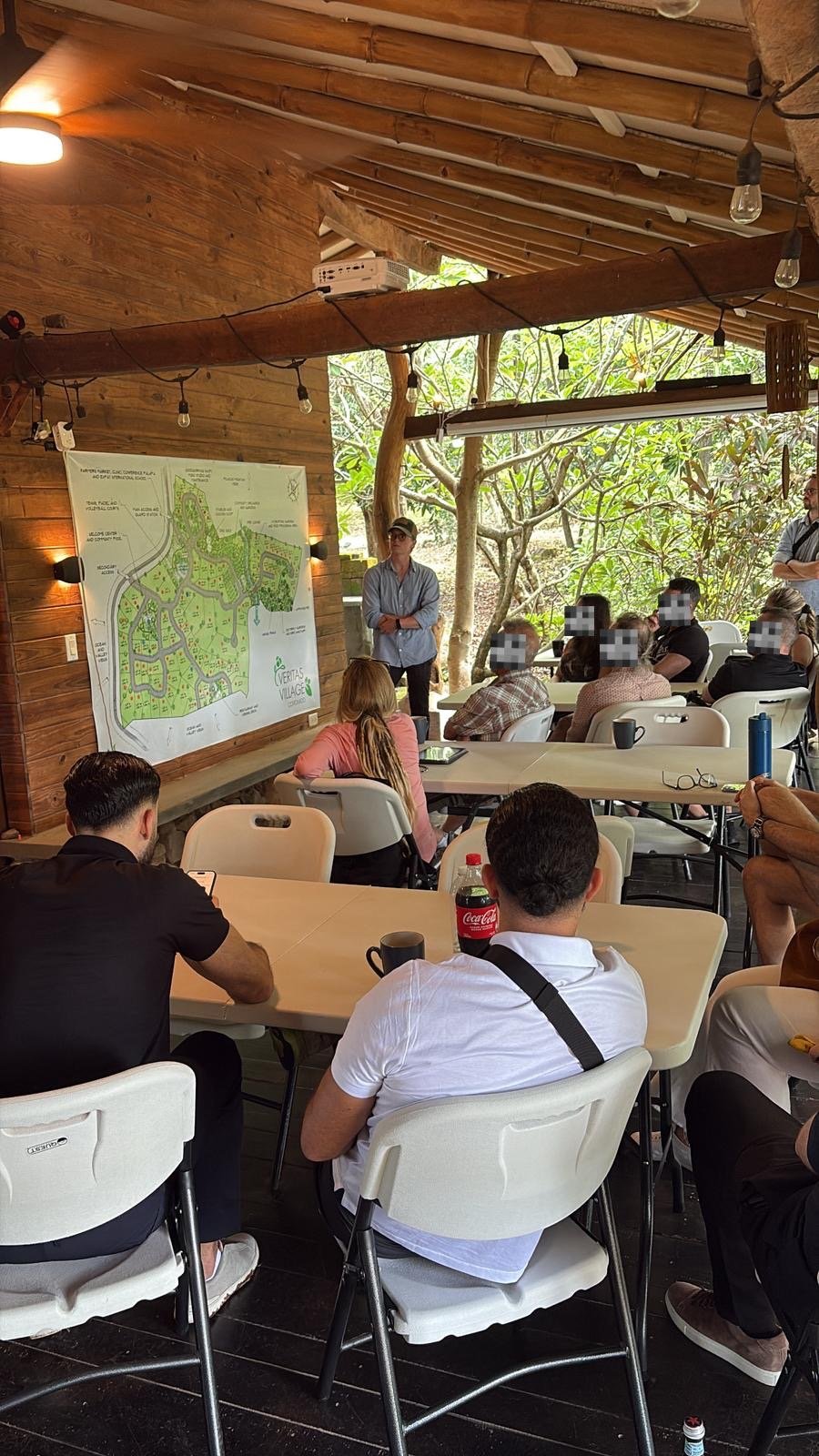
Those conversations add another dimension to the process. People arrive from different countries with remarkably similar concerns and get to compare notes with others thinking seriously about jurisdiction, wealth protection, mobility and financial control. A trip also gives clients the chance to spend time in the country, build relationships and see how Panama could fit into their lives beyond the residency process itself. That combination of place and people is difficult to appreciate from abroad.
The Best Plan B Is the One You Could Actually Use
A second residency becomes more valuable as the jurisdiction you already depend on becomes less predictable. Across much of the West, the direction of travel is toward more taxation, more reporting, more regulation and a growing willingness by governments and financial institutions to insert themselves into areas of life that people once assumed were private. That direction alone is reason enough to reduce how completely your future depends on one government, one banking system and one set of rules.
Optionality is easiest to build while you still have time to choose carefully. Once circumstances force the issue, your priorities change. You may have less time, fewer routes available and much less patience for getting documents in order while everything else is moving around you. A decision that could have been made calmly becomes something you are trying to solve under pressure.
Panama gives you the chance to get ahead of that. You can secure residency while continuing to live where you are, then decide over time what role the country should play in your life. It might remain insurance. You might spend part of the year there. It could eventually become a much bigger part of how you live. The important thing is that the option exists before you need to rely on it.
There is a big difference between having somewhere you could theoretically go and having a place you already know, understand and could genuinely see yourself using. If you’re considering Panama as your Plan B, book a free 30-minute introductory call with one of our advisers.