

What It Really Costs to Live in Panama
In this article:
Last week, I shared why almost half The Bitcoin Way team already hold Panama residency, the other countries they considered, and what surprised them when they arrived in Panama.
If you missed this email, you can check it out here.
This week is the practical side: I asked them what it costs to live in Panama, what they might warn you about, and what they'd say to anyone still on the fence about this decision.
(Was this email sent to you by a friend? You can subscribe to receive future issues straight to your inbox.)
How does the cost of living compare?
Every team member who answered my questions said Panama is cheaper than home.
It was quite difficult to pin down specific numbers, especially since they come from a wide range of cities and countries, so I decided to check for myself.
(All figures are in USD, since Panama uses the US dollar as its everyday currency. Please note these numbers are averages and can fluctuate depending on location within the country.)
Dining out - Using cost-of-living website Numbeo's national averages, a three-course meal for two at a mid-range restaurant costs $45 in Panama.
In the US it's $80, in the UK $86 and in Australia $84.
Public transport - A one-way ticket on local transport in Panama is 45 cents. Yes - cents. Good luck trying to buy anything for under $1 in the West.
Housing - A one-bedroom flat in a city centre averages $938 a month, against $1,646 in the US and $1,556 in Australia.
Utilities - Monthly utilities for a mid-sized flat are about $118, against $218 in the US and $320 in the UK.
Healthcare - Private health insurance in Panama typically costs $60–175 a month for a local plan, which covers care at Panamanian hospitals.
The leading private hospitals in Panama City are generally described as comparable to a good US hospital.
If you want an international plan that also covers treatment abroad, expect to pay $100–500, depending on your age and level of cover.
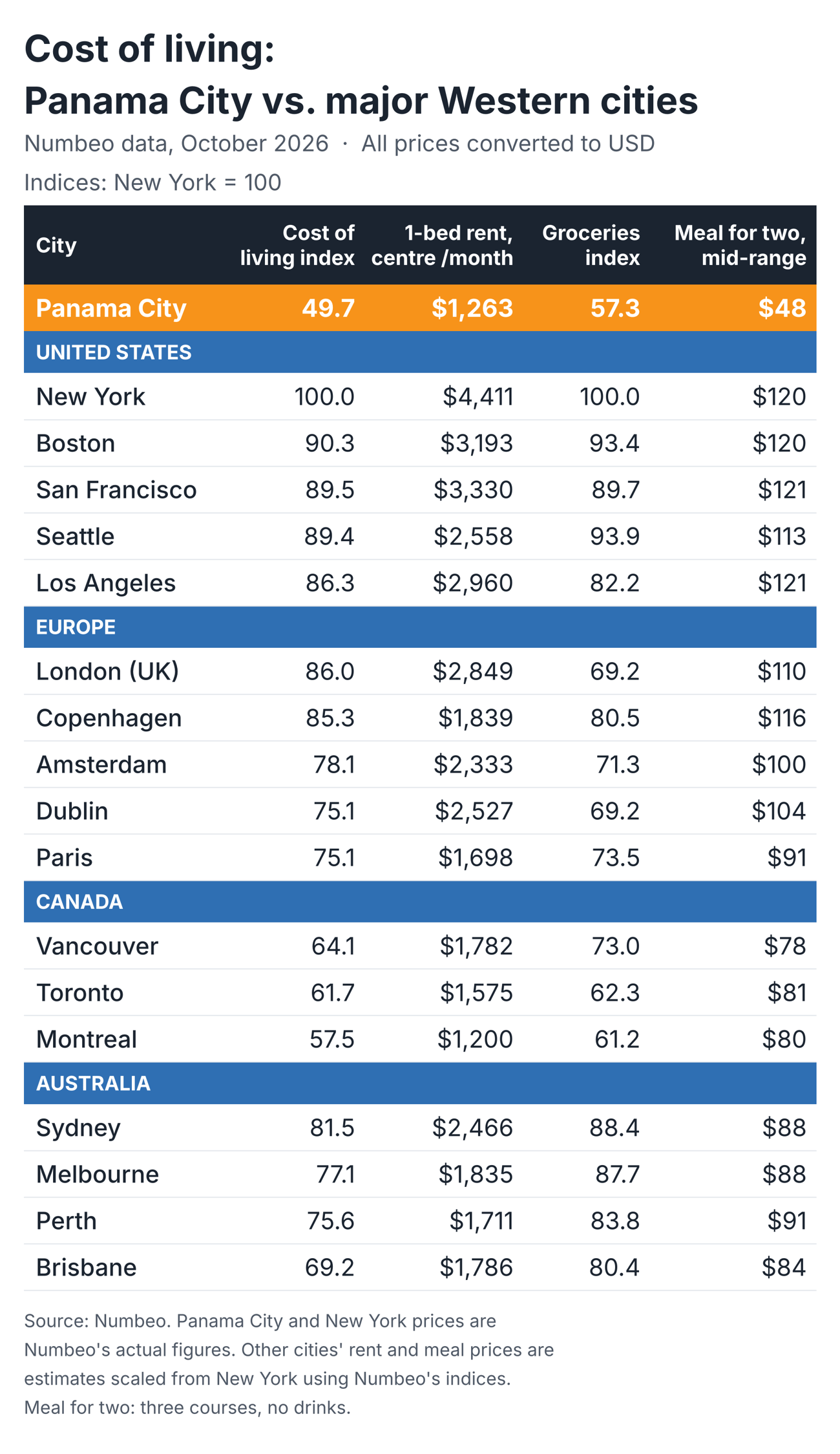
Overall - including rent Panama comes out 24% to 36% cheaper than the US, the UK, Canada, Australia and the Netherlands (see chart below for details).
Not everything is cheaper though. Gym memberships, broadband and coffee cost about what you'd pay at home, and some groceries tend to be a little more expensive - especially if they are imported.
Amra (from Norway) said that she finds Panama "much cheaper of course", but adds that the "cost of living in Panama is getting higher."

What our team would warn you about
Of course, not everything is sunshine and roses when you move to a new country.
I asked the team what they'd warn a friend about before they visited Panama, and here's what they told me:
It's hot and humid. Panama is a tropical country and, as is typical with tropical climates, there are two seasons - hot, or hot and rainy. And heat + rain = humidity.
Gab, Bert and our UK colleague all mentioned it, and it definitely takes some getting used to if you're coming from northern Europe, or snowy North American winters.
Things move slowly in Panama. The Latin culture prevails. "We'll do it tomorrow" or “Mañana” can mean two weeks, our co-founder Tony says, but "...you spend enough time there and you sort of…get used to that pace of life."
Amra agrees: "You need to be patient, life in Panama is chill and slow."
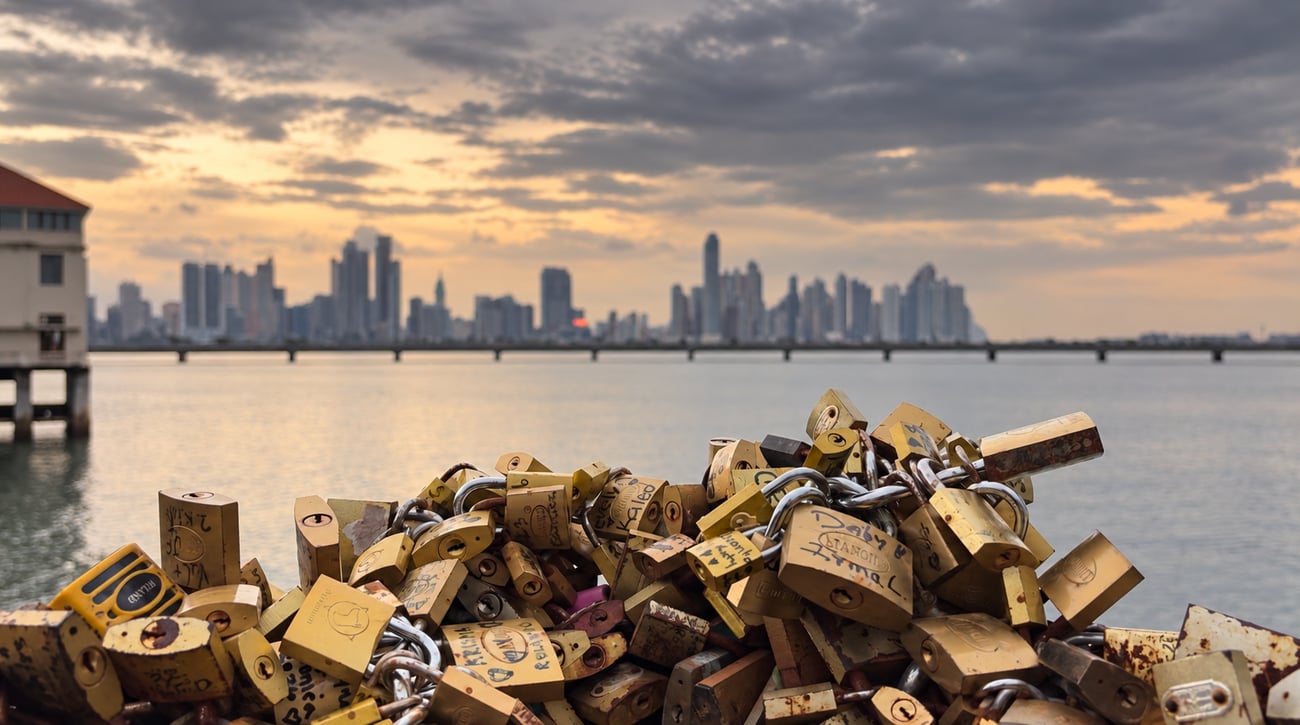
Amra's other warnings are that there's "no proper beach in the city", and the traffic. "Traffic is terrible, but you are managing to get around anyway."
She also recommends taking the time to learn some Spanish, as it will go a long way with the locals, and will make your life just that little bit easier.
Outside the city, infrastructure quality varies. In our UK colleague's words: "Sometimes it's immaculate, other times it's poor."
In other words, it can very much vary depending on which part of the country you are in.
Anna (from the US) couldn't think of a downside at all. "Honestly, I worry that people that go there will love it so much, it will be hard to leave!"
Know someone who would find this newsletter useful? Send it to them (but don't worry, we don't collect their email addresses or sign them up for anything).
When Plan B becomes Plan A
Back to our colleague from the UK. He and his family left their home country this year, tried Madeira (Portugal), then went to Panama and applied for residency. They're currently midway through the process.
"It was initially meant to be a Plan B but we have turned it into our Plan A now after being here."
His favourite place so far is El Valle de Antón, "a small but diverse town high up in a volcano crater 1.5 hours west of Panama City", with a school set up by expats and a small Bitcoin scene.
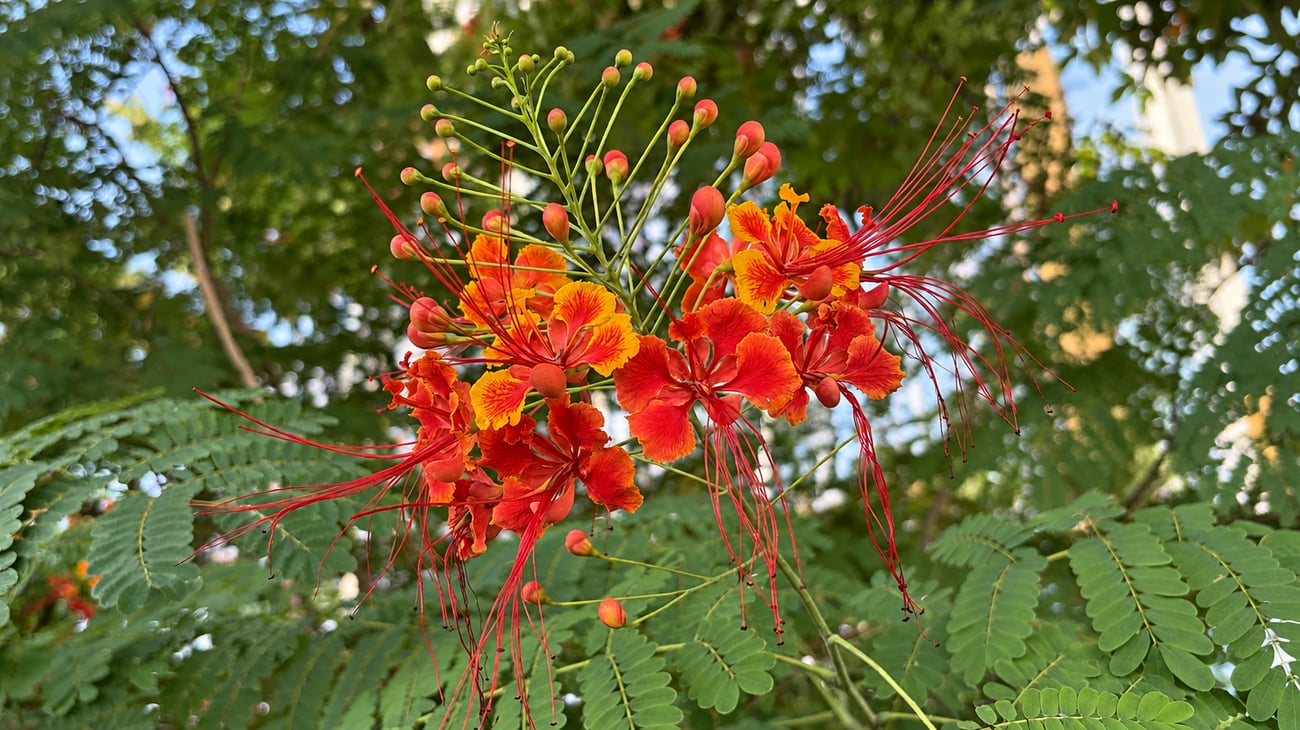
When the lawyer's bill came, he was able to pay it in Bitcoin. It "settled in 10 minutes, rather than sending money through the banking system from U.K. to Panama."
Bert (from the Netherlands) expects Panama to become his main home soon. Anna also plans to move. Tony and Amra already live there.
Mo (from Norway) keep his purely as a backup - a Plan B - with no plans to move right now.
"Plan B is insurance for me," Mo said.
Mo still uses Panama's banks, healthcare and other services, with the peace of mind of knowing that if something happens in Europe that he doesn't want to be part of, leaving is an option.
That's where most of our clients start, and for many of them it's enough.
Check out our latest video on YouTube ⬇️
What if you are putting this decision off?
When I asked what they'd say to someone still putting this decision off, all my colleagues said the same thing in their own way.
Bert was completely frank about it.
"At some point you are too late to move on because the gates close and then you're locked in."
Mo put his feelings eloquently, “I understand the instinct to stay and fight. To stay in the country you call home and try to make it better. That instinct comes from a good place."
"But there comes a point where you have to be honest with yourself. If the country is no longer looking after you, staying loyal to it at your own expense isn't a strategy.”
Our UK colleague took the most practical approach, "Take the first steps, visit, make some calls, etc. You can always back out if it doesn't feel right, but if you don't try, you will never know."
Amra says, "Just be open minded and come to visit Panama. I would be happy to show you around. You WILL be surprised how amazing this country is."
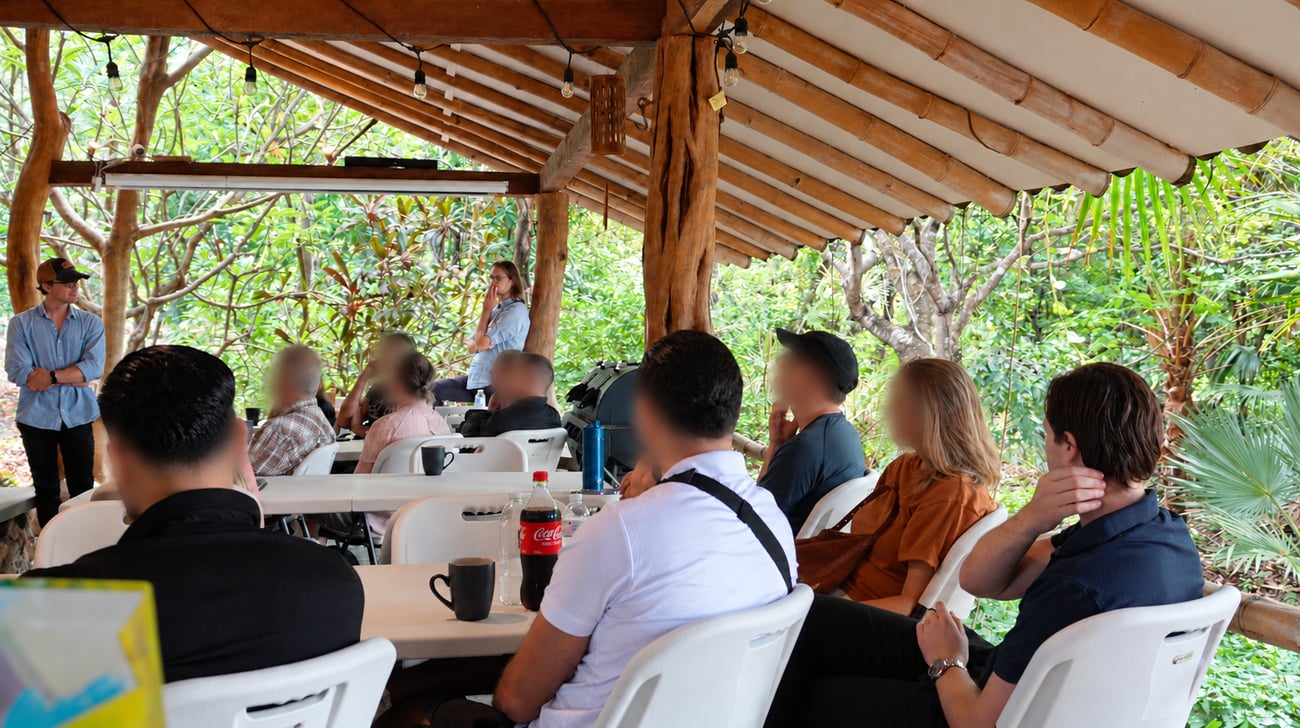
Our next trip to Panama is in February 2027 and places are limited.
Join The Bitcoin Way team members and other like-minded people and get your Plan B process started!
We hope to meet you in Panama soon! 🇵🇦 🧡